
History is often explained through political movements, government decisions, and events that transform nations. Yet behind every major historical change are families whose ordinary lives are interrupted in ways that rarely appear in textbooks.
For a child, history is not necessarily understood through dates or political arguments. It may be remembered through a hurried departure, a grandparent’s final embrace, or a treasured possession that cannot be taken along.
These personal experiences reveal an important dimension of migration: behind every journey toward a new future is a life filled with relationships, memories, and experiences that cannot simply be packed into a suitcase.
When Political Change Reaches the Family Home
In 1961, eight-year-old Luli prepared to leave Marianao, Cuba, with her mother and six-year-old brother, Mayi.
Following the Cuban Revolution, political and social changes had affected the family’s circumstances. Their home was no longer theirs to own, and the decision to leave Cuba had created tensions within their community.
Luli’s father had already departed for the United States, leaving the family separated for more than two years.
While adults understood the political circumstances surrounding their departure, Luli experienced the situation through changes in her family life.
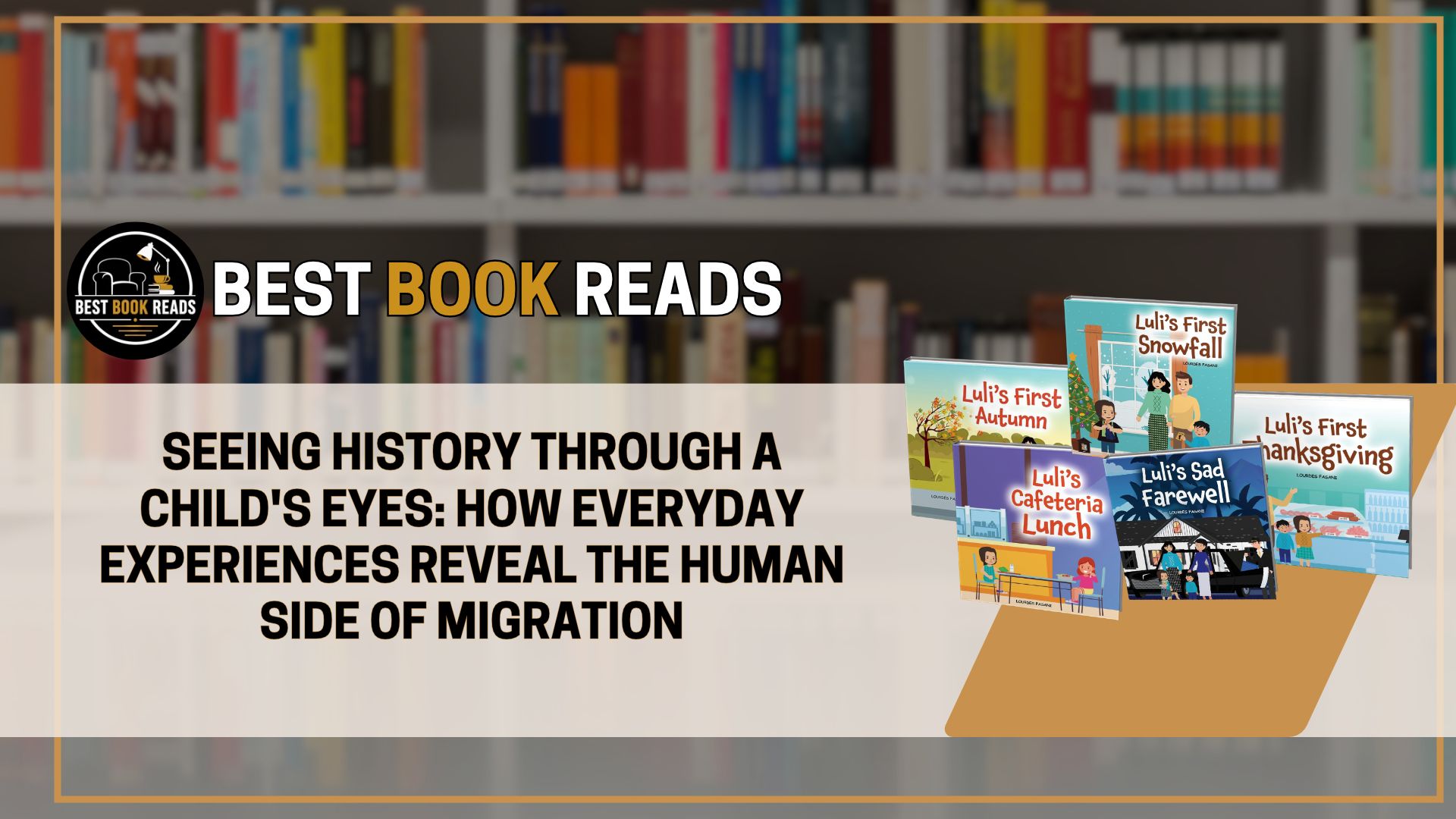
Her memories, preserved in Luli’s Sad Farewell, illustrate how historical events become deeply personal when they affect the relationships and routines children depend upon.
The Goodbyes That History Often Overlooks
Before leaving for the airport, Luli visited her grandfather, Abuelo Ramón, to say goodbye.
Their relationship was filled with treasured memories. He had entertained her with stories about growing up in the Canary Islands, played his Spanish guitar, and taught her about family traditions.
On Sundays, he took Luli and Mayi to Havana’s Malecón, where they enjoyed Cuban-style burgers purchased from street vendors.
These seemingly ordinary moments represented the familiarity and affection of childhood.
Their farewell was especially emotional because Ramón himself had experienced displacement. He had fled Spain during the Spanish Civil War and spent time in Argentina before eventually building a life in Cuba.
Within one family, different generations had experienced the consequences of political upheaval and migration.
His experiences illustrate how family histories can connect events across countries and generations.
When Personal Belongings Carry Emotional Meaning
At José Martí International Airport, Luli encountered another painful moment.
A customs officer refused to allow her to take her cherished doll onto the airplane. The doll had been a birthday gift from her father, making it especially meaningful during their long separation.
Her mother also had to surrender family photographs before departure.
These objects were more than personal possessions. They represented relationships, familiar memories, and connections to the life the family was leaving behind.
For children, belongings can carry emotional significance that adults may not immediately recognize.
Losing a treasured object during migration can become part of how a child remembers the entire experience.
This perspective encourages historians and storytellers to consider the personal details that reveal the emotional consequences of larger events.
Understanding the Meaning of Reunion
When the family finally arrived in Chicago, Luli eagerly searched for her father.
As she descended the airplane stairs, she saw him waiting on the tarmac.
After more than two years apart, she ran into his arms.
The reunion represented the fulfillment of a long-awaited family hope, but it did not erase the significance of everything left behind.
For children, happiness about reaching a new home can coexist with sadness over separation from loved ones.
Recognizing these overlapping emotions provides a more complete understanding of the human experience of migration.
Why Personal Memories Belong in Historical Conversations
Historical research provides essential knowledge about political developments, migration patterns, and the circumstances that influence human movement.
Personal narratives contribute another perspective by revealing how individuals experience these changes.
For educators, such accounts can make historical discussions more relatable. For families, sharing memories can help younger generations understand the sacrifices, decisions, and relationships that shaped their histories.
For readers, childhood experiences offer an opportunity to consider migration beyond national borders and official records.
Available On Amazon: https://www.amazon.com/stores/Lourdes-Fasani/author/B0FVGJBMBR
Visit the Author’s Official Website: https://lourdesfasanibooks.com/