
In a marketplace dominated by automated chatbots, scripted deflection, and rigid policies, trust has become rare currency. When a transaction goes wrong, customers do not just want their money back; they want their dignity back. They want to know that behind the logo and the spreadsheets, there are actual human beings who care. Restoring trust takes stepping into the chaos, listening to the full story, and choosing human connection over corporate defense.
Years ago, an escalation landed on my desk involving a ruined party order. To anyone else, it looked like a simple logistical blunder: a delivery mishap that threatened a member’s upcoming gathering. But when I picked up the phone, restoring trust meant more than that. It meant hearing her story, her party plans, her reliance on the delivery, and the crushing disappointment.
Instead of hiding behind a refund policy, I used a sincere apology, practiced the AVO method (Acknowledge, Validate, Own), and went above and beyond. I refunded the entire order, sure, but then I did something extra. I called the local club manager, who I know is a saint, and arranged for a fresh, top-shelf replacement order to be personally delivered to her house that same evening, with a note from me and a complimentary bottle of decent wine.
The next day, that customer called back, and I was shocked to realize that she was in tears of gratitude. She was astonished that a large, faceless corporation had shown human ingenuity and care. She became our most vocal online supporter after that. That was the moment trust returned. That is when you realize you are not just a manager; you are a brand ambassador, a therapist, and a corporate repairman, all rolled into one. You didn’t solve a cheese problem. You solved a trust problem.
This kind of work means constantly surfacing systemic failures and using the power of apology not just for the customer, but for the company. The customer’s pain is the alarm bell that tells us where we are failing systemically. The customer screaming about a five-minute wait time is telling us our scheduling software is inefficient. The customer furious that their special order keeps getting canceled is telling us our inventory tracking system is broken.
I have to be the one who takes that emotional, anecdotal feedback the tears over the bacon, the rage over the expired coupon, and translates it into a language the executives understand. It is the raw data, the messy, beautiful data that nobody else can get because nobody else is willing to sit there and absorb the emotional fallout.
It takes immense emotional discipline to handle this. We practice breathing exercises. We use stress balls. We share the most ridiculous stories from the day, like the one about the man who thought the diced tomatoes were part of a lizard people conspiracy, not just for laughs, but to keep our sanity. Because if we don’t acknowledge the absurdity, the pure emotional labor will crush us.
Yet, the reward is in the transformation. I’ve seen hardened, furious customers turn into loyal advocates simply because one of my agents let them finish their entire rant and then said, “You are absolutely right. We failed you, and I am sincerely sorry.” It sounds simple, but in a world where everyone is trying to deflect blame, acknowledgment is revolutionary.
I’ve spent over two decades in this business, and if there is one thing I know is that the customer doesn’t just want their money back. They want their dignity back. They want to be seen as a person who was wronged, not as a bad transaction. When you give them that dignity back through a sincere apology, you earn their business for life. You don’t just solve a problem. You heal a relationship.
So, when my agents get off a truly brutal call, a call where they’ve been called every name under the sun, I don’t ask them what the resolution was. I ask them, “Did you acknowledge their pain? Did you validate their frustration?” If the answer is yes, then regardless of the final outcome of the transaction, we won. Because we restored trust, and that is a metric corporate spreadsheets can never truly capture, but one that a wholesale club brand cannot survive without.
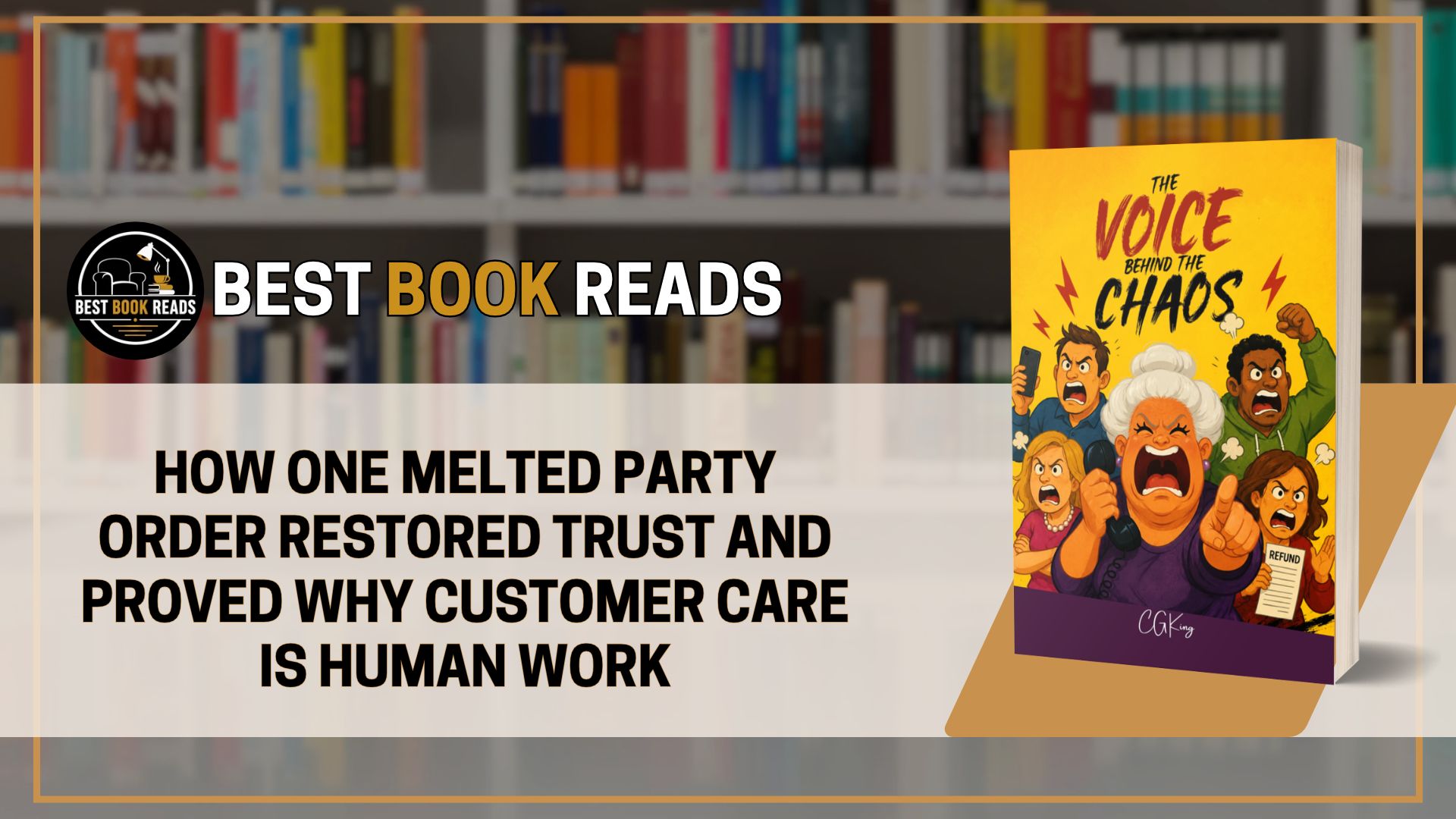
Now, if you’ll excuse me, I hear the distinct sound of a phone being slammed down on a desk. Sounds like another opportunity to earn some gold. Time to go dig, while you can check this and other stories I jotted down in my book, The Voice Behind the Chaos.
Head to Amazon to purcahse your copy: https://www.amazon.com/dp/B0HL3YG2TX/