
WHEN DIFFERENCES BEGIN TO DIVIDE US
We live among people with different beliefs, experiences, backgrounds, and opinions. These differences can enrich our communities, yet they can also become sources of misunderstanding, hostility, and division.
When disagreements turn into resentment, it becomes easier to overlook the humanity of those around us. The consequences can extend beyond damaged relationships, affecting how we treat strangers, neighbours, and vulnerable members of society.
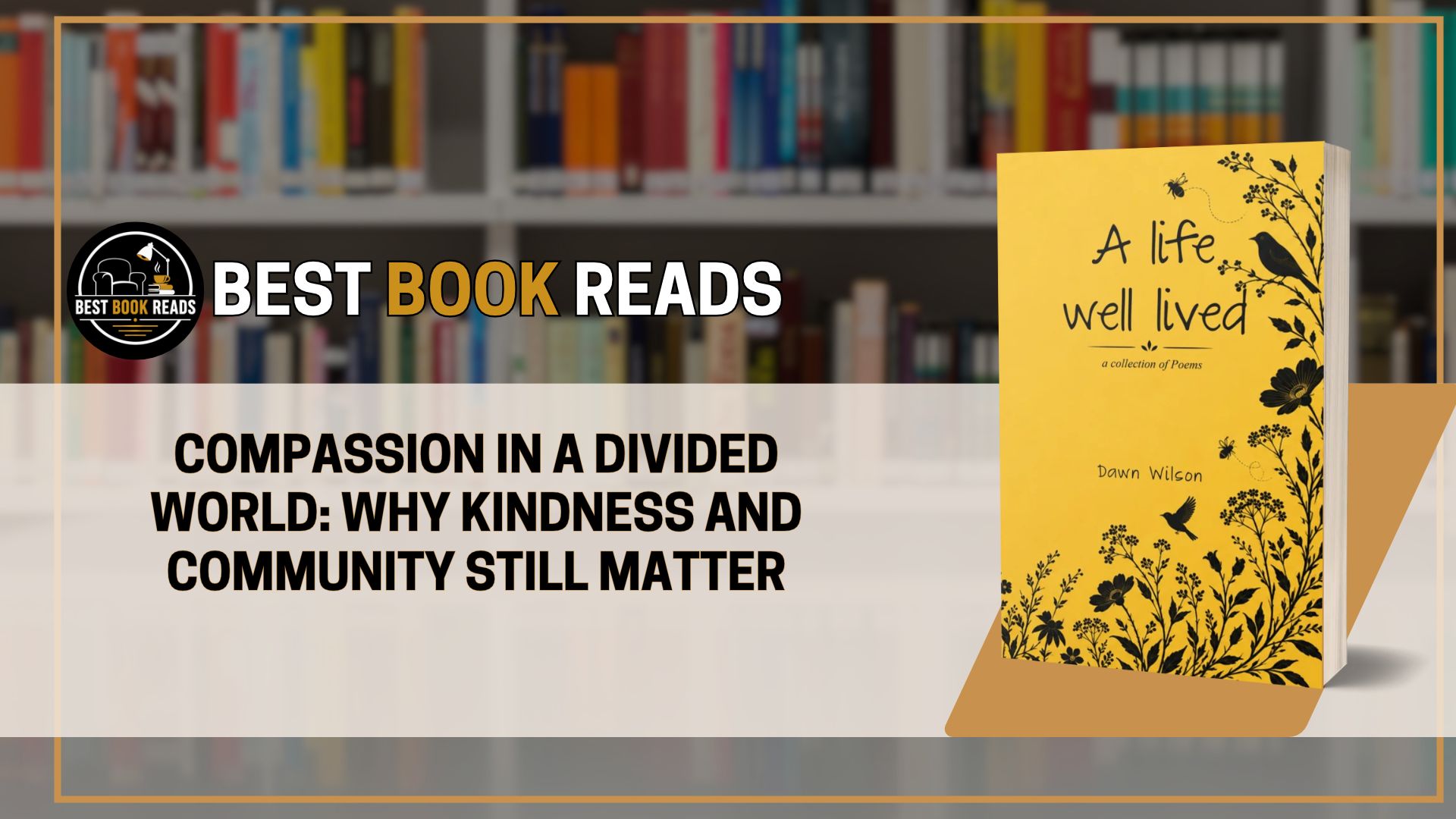
In A Life Well Lived, reflections on violence, personal responsibility, and everyday human experiences raise an important question: What happens when compassion gives way to prejudice and indifference?
THE HUMAN COST OF HATRED AND INTOLERANCE
History and personal experience remind us that intolerance can have devastating consequences.
Dawn Wilson confronts this reality in poems such as “After the Boston Bombing,” “Inhumanity,” and “Slaying.” These reflections question the beliefs, grievances, and prejudices that lead people to harm others.
Beyond the immediate suffering caused by violence lies another troubling reality: hatred often prevents people from recognising the shared humanity beneath their differences.
Disagreement is an unavoidable part of society. However, disagreement does not have to become hostility.
Learning to respect another person’s right to live peacefully, even when their beliefs differ from our own, remains an essential part of compassionate coexistence.
KINDNESS MEANS MORE WHEN IT BECOMES ACTION
Compassion is often associated with sympathy, but meaningful kindness requires more than feeling concerned about another person’s difficulties.
In A Life Well Lived, the poem “True Christmas” contrasts expensive celebrations and excessive consumption with homelessness, loneliness, and acts of generosity.
While some people focus on creating the perfect festive experience, others provide warmth, shelter, and a shared meal to those who might otherwise spend the occasion alone.
The contrast encourages us to reconsider what generosity actually means.
A thoughtful conversation, practical assistance, or willingness to share what we have can carry greater human significance than elaborate gestures.
Kindness becomes meaningful when it responds to someone’s genuine needs.
WHY STRONG COMMUNITIES DEPEND ON PARTICIPATION
Communities are not strengthened by shared geography alone. They grow through participation, cooperation, and a sense of belonging.
Dawn Wilson captures this spirit in “Community,” recalling how residents of Pewsey Vale came together to decorate their surroundings for a cycling event.
People of different ages contributed to a colourful mural celebrating their local landscape and identity.
The occasion illustrates something valuable: collective experiences can bring people together through a shared sense of pride and purpose.
Community spirit does not always require grand initiatives. It can begin when individuals contribute their time, creativity, or attention to something that benefits others.
THE QUIET IMPORTANCE OF EMOTIONAL SUPPORT
Compassion also matters during personal struggles that may not be visible to others.
The poem “Mental Health” presents a simple exchange in which someone experiencing difficulties receives reassurance, conversation, and affection.
Its emotional significance lies in the willingness to listen and remind another person that they are not alone.
We cannot always resolve someone else’s problems, but we can offer understanding rather than judgment.
CHOOSING CONNECTION OVER DIVISION
A compassionate society does not require everyone to think alike. It requires people to recognise that dignity, kindness, and mutual respect matter even when disagreements remain.
Whether through community involvement, practical generosity, or emotional support, everyday actions shape the relationships around us.
Perhaps the true measure of a community is not how strongly its members agree, but how thoughtfully they treat one another when they do not.