
Have you ever said yes when you desperately wanted to say no? Perhaps you have stayed in an unhappy relationship, avoided difficult conversations or sacrificed your own happiness because disappointing someone felt unbearable.
At first, people-pleasing might seem like kindness. After all, what’s wrong with wanting everyone around you to be happy? However, when constantly prioritizing others comes at the expense of your emotional well-being, that kindness can become a painful pattern.
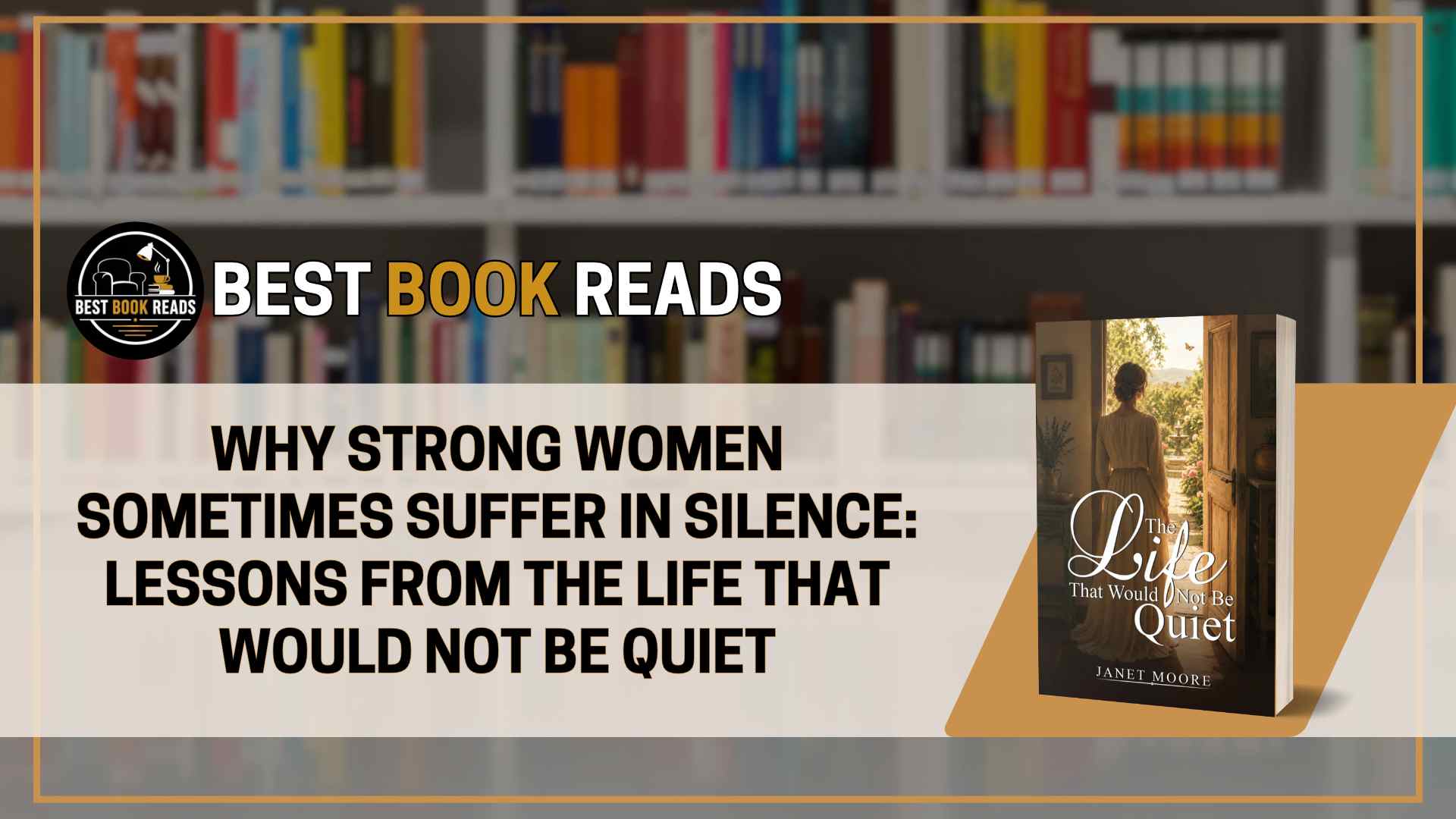
In her memoir, The Life That Would Not Be Quiet, author Janet Moore explores how deeply rooted emotional habits influenced her relationships, decisions and sense of self-worth.
Her experiences offer valuable lessons for anyone struggling to put themselves first.
Why People-Pleasing Often Begins in Childhood
Many people develop people-pleasing tendencies long before they recognize them.
During childhood, we learn how to receive affection, avoid punishment and maintain emotional security. When expressing needs leads to criticism or rejection, staying quiet can begin to feel safer.
Moore experienced this firsthand.
After spending her earliest months with foster parents, she returned to a family environment where emotional expression was frequently discouraged. Over time, she learned to suppress frustration, avoid confrontation and seek approval.
Unfortunately, these childhood coping strategies followed her into adulthood.
Her story illustrates how behaviors that once helped someone navigate difficult circumstances can later interfere with healthy relationships.
The Emotional Price of Constantly Putting Others First
People-pleasing rarely announces itself as a problem. Instead, it appears through countless small sacrifices.
You agree to plans you dislike. You apologize for situations you didn’t create. You remain silent when someone crosses your boundaries.
Eventually, those sacrifices can leave you feeling invisible.
Throughout four marriages, Moore frequently struggled with giving more emotional energy than she received. She worked hard to maintain relationships, sometimes overlooking her own needs while hoping her efforts would earn lasting affection.
Yet professional accomplishments and outward appearances couldn’t replace genuine emotional fulfillment.
Her experiences reveal an uncomfortable truth: you cannot build lasting self-worth solely through someone else’s approval.
Learning to Recognize Your Own Value
Breaking the cycle of people-pleasing begins with self-awareness.
Instead of automatically asking, “What will make everyone else happy?” consider asking, “What do I actually need?”
This shift sounds simple, but it can feel unfamiliar to someone accustomed to prioritizing others.
For Moore, change emerged through years of reflection, therapy, forgiveness and examining the emotional patterns shaping her decisions.
She gradually recognized that another person’s disappointment did not automatically mean she had failed.
Her journey encourages readers to establish boundaries, communicate their needs and understand that protecting personal well-being isn’t selfish.
Healthy relationships allow room for both people to feel respected, appreciated and heard.
Creating a Life That Reflects Who You Truly Are
Today, Moore is a certified hypnotherapist and life mastery consultant who helps others explore limiting patterns and pursue meaningful personal change.
Her experiences demonstrate that rediscovering self-worth is not necessarily a sudden revelation. Sometimes, it involves gradually unlearning beliefs carried for decades.
Her memoir, The Life That Would Not Be Quiet, reminds readers that personal freedom begins when they stop measuring their value through everyone else’s expectations.
You can care deeply about others without abandoning yourself.
And sometimes, learning to say no is the beginning of saying yes to the life you genuinely want.
Ready to explore a powerful story of resilience, self-discovery and personal transformation?
Read The Life That Would Not Be Quiet by Janet Moore: https://www.amazon.com/dp/B0HLLJX6K3/
Discover more about the author: https://janetmoorecoaching.com/