
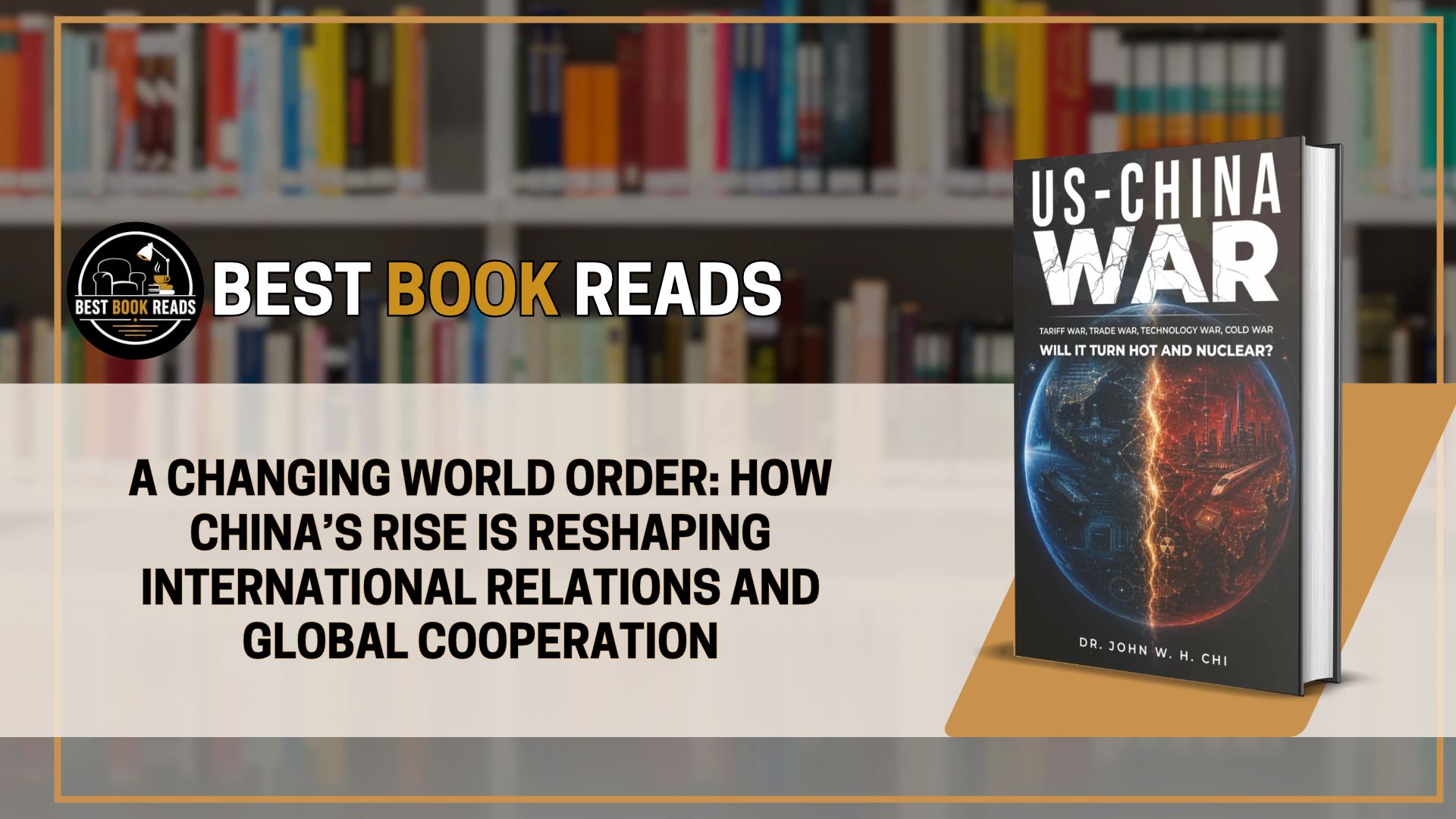
For decades, international relations have been shaped by the influence of a few powerful nations. Their economic strength, political institutions, and military capabilities have played a major role in determining how countries trade, cooperate, and resolve disagreements. But what happens when another nation develops enough economic influence to challenge this established balance?
China’s transformation from a largely agrarian economy into a major industrial and technological power is reshaping discussions about global leadership, international cooperation, and the future of economic development.
CHINA’S TRANSFORMATION AND ITS GROWING GLOBAL INFLUENCE
China’s modern economic development accelerated after Deng Xiaoping introduced reforms in 1978. By combining state planning with market-oriented policies, encouraging foreign investment, and expanding international trade, the country established a foundation for sustained industrial growth.
Over subsequent decades, China developed extensive infrastructure, expanded manufacturing, and made significant technological advances. Its development also contributed to lifting approximately 800 million people out of extreme poverty.
In US-China War, Dr. John W. H. Chi connects these achievements with China’s growing influence in international affairs, emphasizing how economic progress has changed its relationships with other nations.
This transformation demonstrates how domestic development can reshape a country’s position within the wider international system.
BUILDING PARTNERSHIPS THROUGH ECONOMIC DEVELOPMENT
China’s expanding global presence is particularly visible through international infrastructure and trade initiatives.
The Belt and Road Initiative (BRI) supports infrastructure projects and economic connections across Asia, Africa, Europe, and other regions. Transportation networks, ports, and energy infrastructure are among the areas associated with these partnerships.
China also participates in organizations and arrangements such as BRICS, the Shanghai Cooperation Organization (SCO), and the Regional Comprehensive Economic Partnership (RCEP).
These frameworks reflect different approaches to economic cooperation, regional engagement, and international development.
Dr. John W. H. Chi emphasizes China’s preference for economic partnerships and diplomatic engagement as instruments of international influence rather than relying primarily on military alliances.
For developing economies, such relationships can create opportunities for infrastructure investment, improved connectivity, and expanded commercial activity, although their outcomes depend on local circumstances and implementation.
THE CHALLENGE TO ESTABLISHED GLOBAL POWER
China’s growing influence has also intensified competition with the United States.
American concerns regarding trade imbalances, technological leadership, and national security have contributed to tariffs, export restrictions, and other measures affecting economic relations.
As explored in US-China War, these developments form part of a broader struggle over international influence and the transition toward a more multipolar world order.
A multipolar system involves several influential nations participating in global decision-making rather than one dominant power exercising disproportionate influence.
However, changing power relationships can create uncertainty when countries interpret another nation’s development as a strategic threat.
COOPERATION IN AN INCREASINGLY INTERCONNECTED WORLD
Global challenges rarely remain within national borders. Economic instability, climate change, resource shortages, and disruptions to international trade require cooperation among countries with different political systems.
China’s role in facilitating diplomatic reconciliation between Saudi Arabia and Iran in 2023 provides an example of how international influence can also be exercised through negotiation.
Dr. John W. H. Chi stresses that peaceful coexistence and mutual respect are essential to preventing economic rivalry from escalating into military confrontation.
Disagreements over political systems, territorial issues, and economic policies will continue. Yet diplomatic engagement offers opportunities to manage those differences without abandoning national interests.
Ultimately, a changing world order should encourage a deeper examination of how influence is exercised and how international partnerships are developed.
The most important question is not simply which nation holds greater power, but whether growing influence can be directed toward shared prosperity, constructive dialogue, and lasting peace.
Explore the realities behind US-China tensions and the growing importance of global peace.
Discover US-China War by Dr. John W. H. Chi.
📖 Paperback: https://www.amazon.com/US-China-War-Will-Turn-Nuclear/dp/B0HC8TJT28/
📱 Kindle: https://www.amazon.com/US-China-War-Will-Turn-Nuclear-ebook/dp/B0HC8MY852/