How much of what we believe about other countries comes from personal experience and how much comes from the news we consume? In an era of constant headlines, social media debates and political commentary, public opinion often develops through carefully framed narratives. When two global powers like the United States and China are involved, those narratives can influence international relationships.
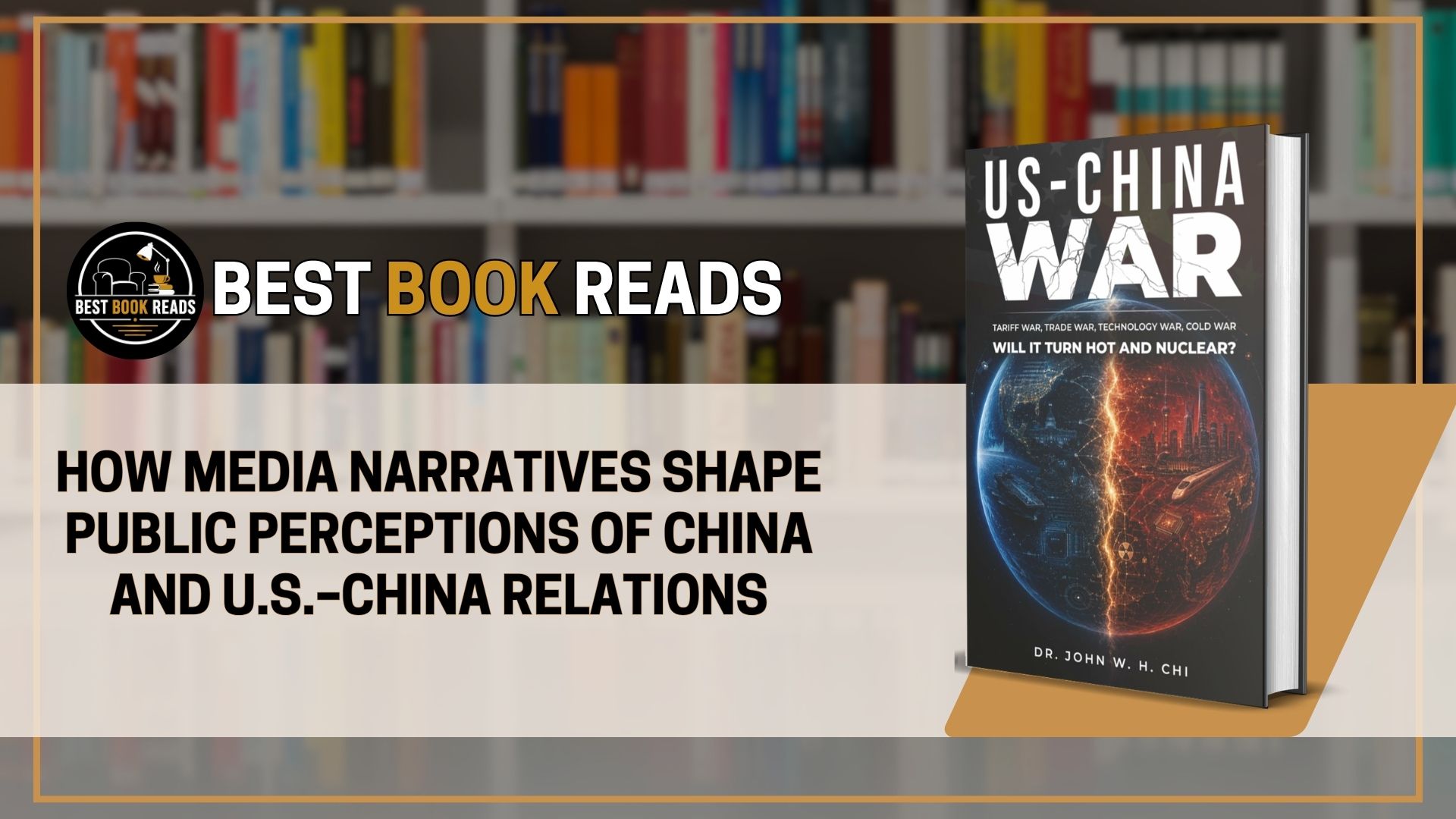
In his thought-provoking book, US-China War: Will It Turn Hot and Nuclear?, Dr. John W. H. Chi explores how media coverage, political messaging and historical interpretations shape perceptions of China. He challenges prevailing Western narratives and encourages readers to question how information influences attitudes toward one of the world’s most consequential geopolitical rivalries.
The Powerful Connection Between Media and Public Opinion
News organizations play an essential role in helping people understand international events. However, how stories are selected, presented and discussed can significantly shape public perception.
For example, repeated coverage of military tensions, economic disputes and political disagreements may encourage audiences to view international competition primarily through the lens of conflict.
Dr. Chi argues that Western media frequently emphasizes negative interpretations of China’s policies while giving insufficient attention to its economic development, technological achievements and international partnerships.
His book encourages readers to examine whether familiar narratives fully capture China’s history, political system and global ambitions.
How Historical Narratives Influence U.S.–China Relations
Understanding today’s geopolitical tensions requires more than following the latest headlines. Historical experiences play an equally important role in shaping national identity and foreign policy.
In US-China War: Will It Turn Hot and Nuclear?, Dr. Chi explores China’s “Century of Humiliation,” a period marked by foreign intervention, military defeats and unequal treaties.
He argues that these historical experiences help explain China’s emphasis on sovereignty, territorial integrity and national development.
The author also examines American foreign policy, questioning how political messaging surrounding democracy, national security and global leadership influences public attitudes toward China.
By considering historical context alongside contemporary reporting, readers can better understand why the two countries often interpret the same events differently.
When Political Messaging Intensifies International Rivalry
Media narratives do more than influence individual opinions. They can also shape public support for government policies.
Trade restrictions, technological sanctions, military alliances and disputes over Taiwan are often framed through competing national security perspectives.
Dr. Chi questions whether confrontational rhetoric and one-sided interpretations contribute to unnecessary hostility between Washington and Beijing.
He argues that portraying another nation primarily as an adversary can make diplomacy increasingly difficult, particularly when political leaders face pressure to demonstrate strength.
However, responsible analysis also requires critical examination of claims, recognition of competing perspectives and a clear distinction between documented evidence and political interpretation.
Why Independent Thinking Matters for Global Peace
One of the book’s central messages is the importance of questioning established assumptions before accepting them as unquestionable truths.
Drawing upon his professional background in nuclear engineering and defense-related projects, Dr. Chi warns that growing mistrust between nuclear-armed powers carries consequences far beyond political disagreements.
He believes that greater historical understanding, informed public discussion and diplomatic engagement can help reduce the danger of military escalation.
Rather than encouraging readers to accept another narrative uncritically, his arguments invite closer examination of how geopolitical information is communicated and interpreted.
Ultimately, US-China War: Will It Turn Hot and Nuclear? presents a perspective centered on challenging conventional assumptions and promoting peaceful coexistence.
Are we seeing the complete picture of U.S.–China relations or only the narratives shaping public opinion?
Explore Dr. John W. H. Chi’s examination of media influence, geopolitical rivalry and the importance of understanding international affairs.
Discover US-China War: Will It Turn Hot and Nuclear? and get your copy today on Amazon: https://www.amazon.com/dp/B0HLR9TXH9/