
For decades, healthcare has often been built around a simple assumption: the provider is the expert and the patient is the recipient.
The provider diagnoses. The provider recommends. The provider treats.
The patient listens.
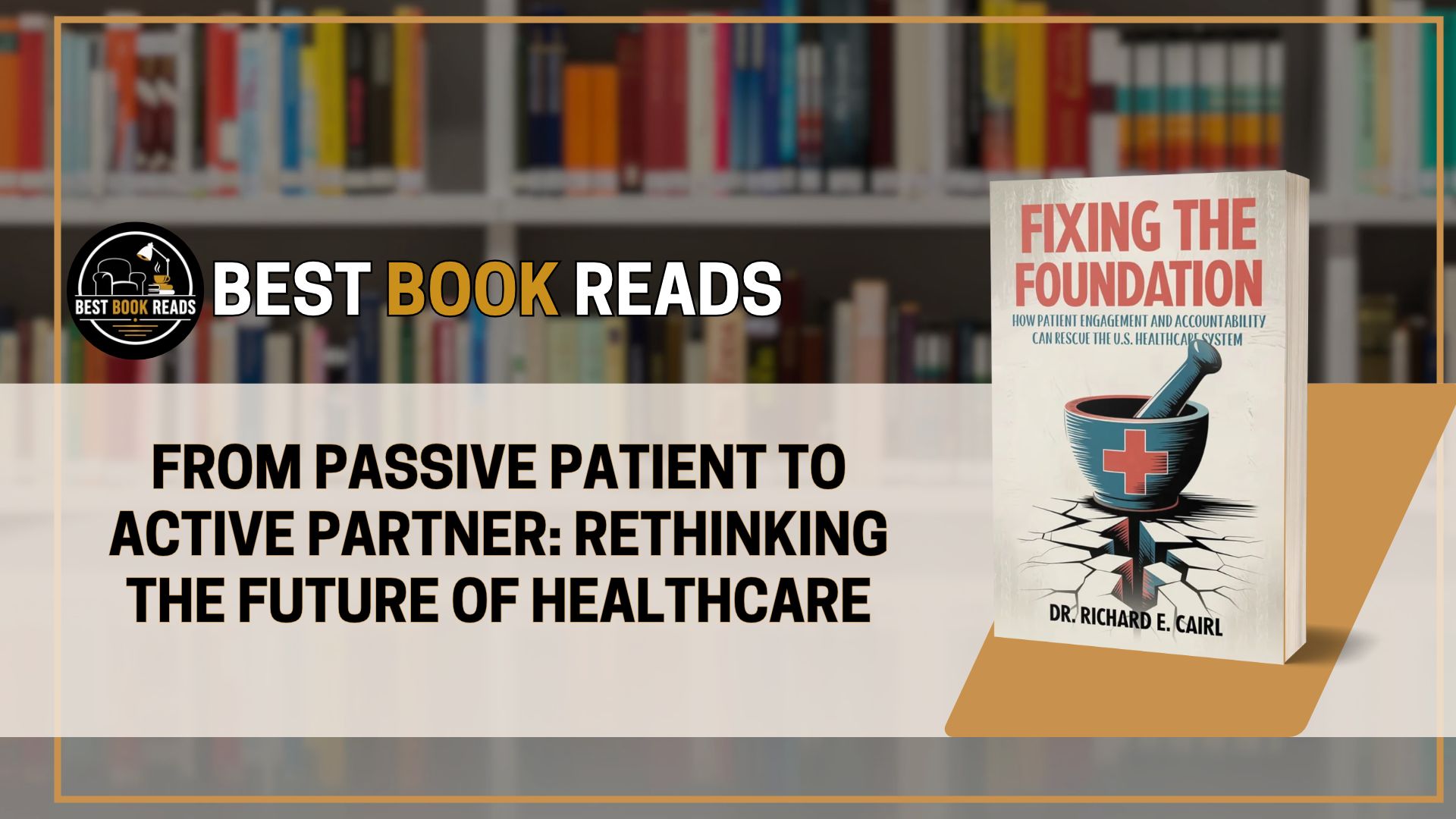
But in Fixing the Foundation: How Patient Engagement and Accountability Can Rescue the U.S. Healthcare System, Dr. Richard E. Cairl argues that this traditional model is no longer enough. If healthcare is going to become more effective, more sustainable and better equipped to manage chronic disease, patients must move from the sidelines into a more active role.
They must become partners.
Why Passive Care Falls Short
Modern healthcare can deliver remarkable clinical interventions. Yet much of a person’s health is shaped outside the hospital or doctor’s office.
Patients decide whether to take medications consistently, attend follow-up appointments, monitor symptoms, complete recommended screenings, change harmful habits or act on warning signs before a problem becomes severe.
Dr. Cairl emphasizes that these daily actions matter because patients spend far more time managing their health on their own than they do in direct contact with medical professionals.
A healthcare system that treats patients as passive recipients risks overlooking the very behaviors that can determine whether a care plan succeeds.
Engagement Means Participation
Patient engagement, as presented in Fixing the Foundation, is more than simply showing up for an appointment.
It involves understanding a health condition, asking questions, communicating openly, participating in shared decisions, following agreed care plans and using self-management strategies.
That requires a different relationship between patients and providers.
Instead of care being something done to patients, Dr. Cairl argues for care that is created with them.
This does not diminish the expertise of physicians, nurses or other professionals. It strengthens the care process by recognizing that patients bring their own knowledge, values, experiences and everyday realities to the table.
Accountability Completes the Partnership
Engagement alone is not the full picture.
Dr. Cairl also emphasizes patient accountability: the responsibility to act on the support, information and opportunities provided.
That may include following through on treatment plans, taking ownership of lifestyle choices, monitoring chronic conditions and staying involved between appointments.
Importantly, the book does not present accountability as blame.
Patients face real barriers, including health literacy challenges, economic pressures, cultural differences, motivation, stress and unequal access to support. That is why healthcare systems must equip patients before expecting them to succeed.
Accountability works best when it is paired with empathy, communication and practical assistance.
The Future Is Shared
Fixing the Foundation also explores tools that can make this partnership more realistic, including motivational interviewing, behavioral strategies, digital health resources, self-monitoring and AI-driven conversational technologies.
The common goal is the same: helping patients remain informed, involved and supported beyond the walls of the clinic.
Dr. Richard E. Cairl’s message is ultimately about redefining healthcare itself.
The future may not belong to a system where providers carry all the responsibility and patients simply receive instructions.
It may belong to one where both sides contribute.
Because when patients become active partners rather than passive participants, healthcare has a stronger foundation on which to build.
Discover Fixing the Foundation: How Patient Engagement and Accountability Can Rescue the U.S. Healthcare System by Dr. Richard E. Cairl.
Available on Amazon: https://www.amazon.com/dp/B0GRCRBKB6/
Visit the Author’s Official Website: https://richardcairl.com/