
Some people have a remarkable ability to command attention. They walk into a room with confidence, make others laugh, and seem completely unaffected by criticism. Their boldness can be fascinating, even admirable.
But what happens when that confidence conceals cruelty? When people laugh not because something is funny, but because they are afraid of becoming the next target?
The difference between genuine respect and fear is not always obvious, especially when charm makes unacceptable behaviour seem entertaining.
THE DANGEROUS APPEAL OF A CHARMING PERSONALITY
Charisma can make people overlook behaviour they would normally condemn.
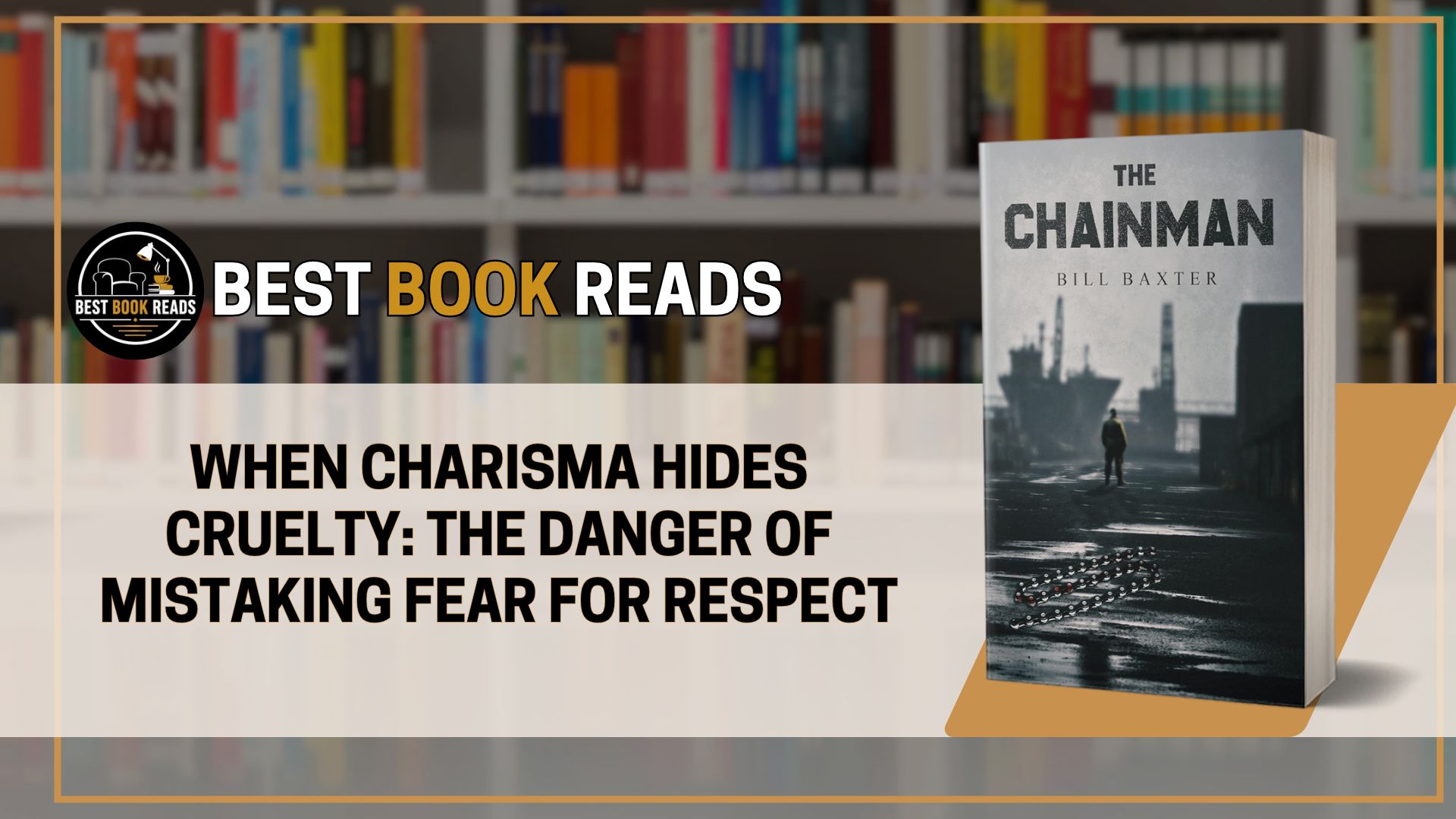
In Bill Baxter’s The Chainman, Patrick Simpson, known as Spam, possesses an unpredictable mixture of confidence, humour, aggression, and recklessness. He enjoys provoking others and often uses a mischievous grin to disguise his hostility.
His friend Billy finds this rebellious personality exciting. Spam represents freedom from parental expectations and conventional rules, offering an escape from the restrictions of ordinary life.
Yet beneath that attraction lies a growing discomfort. Billy recognises his friend’s cruelty but struggles to distance himself from their friendship.
This conflict reveals how admiration can become dangerous when it prevents someone from questioning another person’s actions.
WHEN FEAR IS MISTAKEN FOR RESPECT
There is an important difference between being respected and being feared.
Respect grows through trust, fairness, and consideration. Fear encourages people to remain silent, avoid confrontation, and carefully manage another person’s reactions.
In The Chainman, Spam’s violent behaviour creates precisely this atmosphere. After he seriously injures a young man with a bicycle chain, those around him become reluctant to report what happened.
Their silence is not evidence of admiration. It reflects their fear of retaliation.
The distinction matters because a person surrounded by obedient friends may mistake compliance for loyalty.
When others are too intimidated to disagree, apparent authority can conceal a profound absence of trust.
THE CONTRADICTIONS BEHIND CRUEL BEHAVIOUR
People are rarely defined by a single characteristic. Someone capable of cruelty may also demonstrate affection, generosity, or genuine concern in particular circumstances.
Spam illustrates this contradiction when he helps rescue a man trapped beneath rubble after an explosion. His willingness to assist a stranger stands in sharp contrast to his earlier violence.
Bill Baxter presents these conflicting qualities without allowing occasional kindness to erase responsibility for harmful actions.
This offers an important lesson about judging character. A person’s best moments should not automatically excuse their worst behaviour.
Someone may be entertaining, courageous, or helpful while still creating fear and suffering for others.
The real question is whether their conduct consistently respects other people’s dignity and boundaries.
LEARNING TO RECOGNISE GENUINE RESPECT
Recognising harmful charisma begins with observing behaviour rather than appearance.
How does someone respond when challenged? Do they accept responsibility for mistakes? Can others disagree without being humiliated or threatened?
These questions reveal more about character than confidence or popularity ever could.
The relationships portrayed in The Chainman demonstrate how difficult it can be to challenge someone whose personality dominates those around them.
Nevertheless, maintaining personal boundaries is essential. Admiration should never require surrendering independent judgment, and friendship should not demand silence in the face of wrongdoing.
Genuine respect does not depend on making others afraid. It is reflected in how safely people can disagree, speak honestly, and remain themselves in someone’s presence.
AVAILABLE ON AMAZON: https://www.amazon.com/dp/B0FJG9XB1V/